&
& 

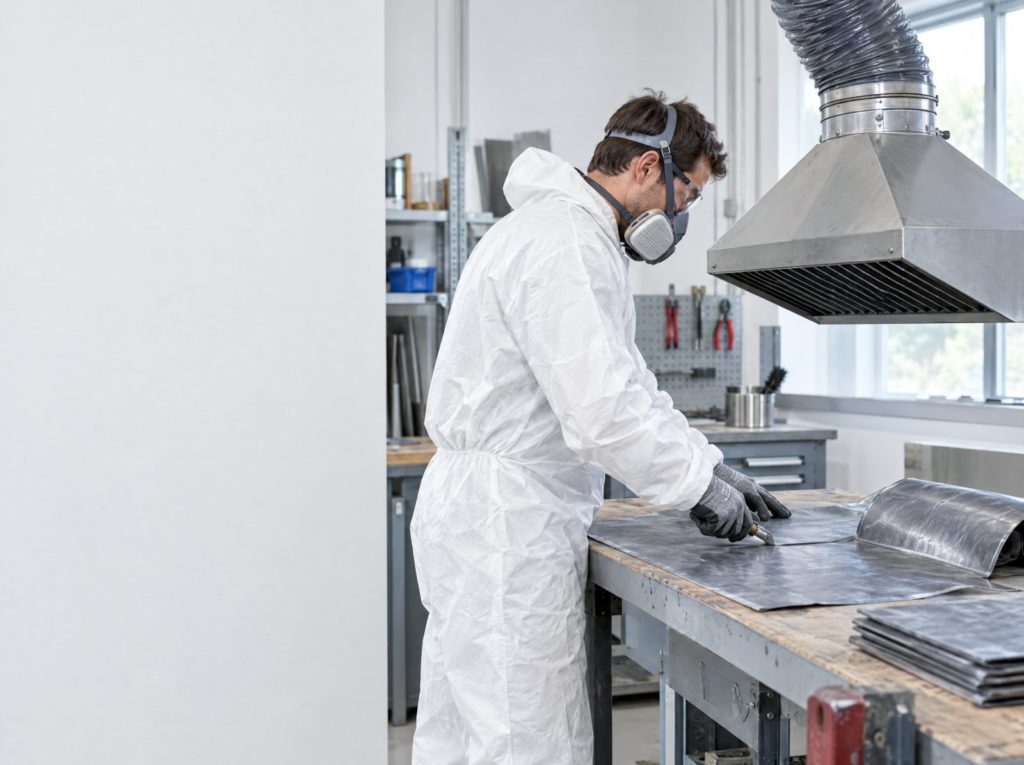
Lead can be breathed in as dust or fume, or swallowed from contaminated hands, food or cigarettes. It builds up in the body and can damage the nervous system, kidneys and blood, and harm fertility and unborn children. The Control of Lead at Work Regulations 2002 (CLAW) set out how employers must protect workers.
Where lead exposure happens
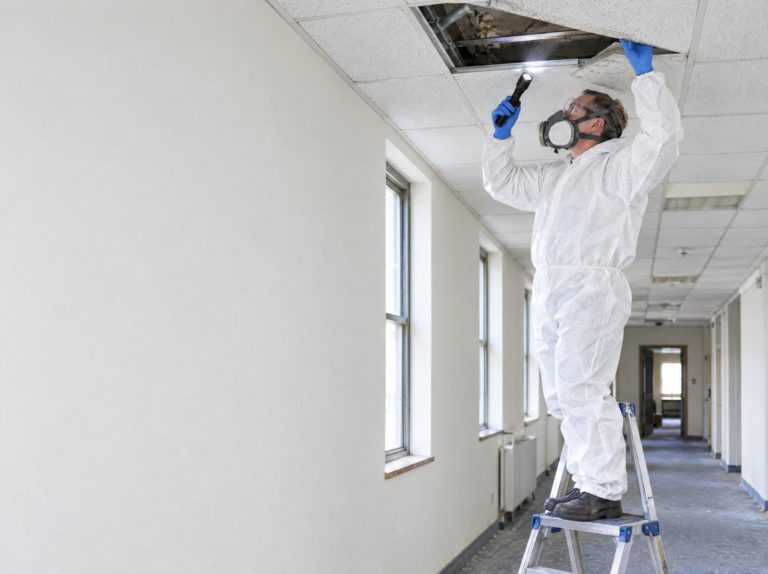
- Removing old lead paint, especially by burning, blasting or sanding
- Hot cutting and demolition of painted steelwork
- Lead roofing and leadwork
- Battery manufacture and recycling
- Scrap metal, smelting and refining
- Some glass, ceramics and radiator repair work
What employers must do
| Duty | What it means |
|---|---|
| Assess | Assess the risk before work starts and decide whether exposure is significant. |
| Prevent or control | Avoid using lead where possible; otherwise control exposure, for example by wet methods, extraction and enclosures, using RPE where needed. |
| Exposure limit | Keep airborne lead below the occupational exposure limit of 0.15 mg/m³ as an 8 hour average. |
| Hygiene | Provide washing and changing facilities, and somewhere to eat and drink away from contamination. |
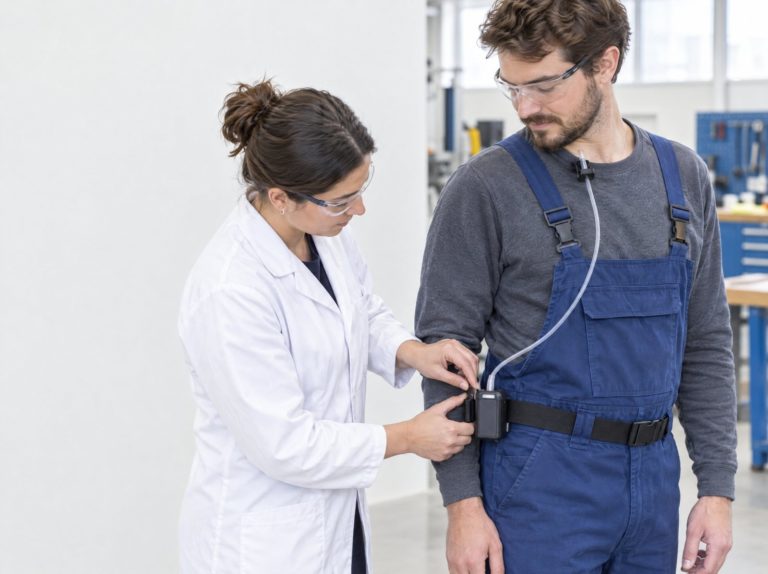
| Monitoring | Measure air concentrations where exposure is significant. |
| Medical surveillance | Place workers with significant exposure under surveillance by an appointed doctor, including blood-lead tests. |
| Information and training | Explain the risks, controls and hygiene rules. |
Significant exposure
Exposure is significant if airborne lead is likely to be more than half the exposure limit, if there is a substantial risk of swallowing lead, or if skin contact with lead alkyls is possible. Significant exposure triggers air monitoring and medical surveillance.
Blood-lead levels
The regulations set blood-lead action levels, at which the employer must investigate and improve controls, and higher suspension levels, at which the worker must be removed from lead work. The levels are lower for women of reproductive capacity and for young people. Women who are pregnant or breastfeeding should tell their employer, as further restrictions apply. See our guide to new and expectant mothers.
The ACoP and official guidance
| Publication | Status | What it covers |
|---|---|---|
| L132 Control of lead at work (3rd edition, 2002) | ACoP and guidance | Assessment, significant exposure, controls, monitoring, medical surveillance and the action and suspension levels. |
An Approved Code of Practice (ACoP) has special legal status under section 16 of the Health and Safety at Work Act. If you are prosecuted and did not follow it, you must show that you met the law in some other way that was just as good. Guidance on Regulations has no special legal status, but inspectors refer to it and following it is normally enough to comply. Our guide to UK health and safety legislation lists every law and its ACoP or guidance in one place.
Training that helps
Our COSHH awareness training covers hazardous substances, including how to use controls and RPE properly. For people managing lead work, the NEBOSH National General Certificate and the NEBOSH construction certificate cover chemical risk control in depth.
Frequently asked questions
What is the workplace exposure limit for lead?
0.15 mg/m³ as an 8 hour time-weighted average, for lead other than lead alkyls.
When is medical surveillance needed for lead?
When exposure is significant, or when an appointed doctor or blood-lead results show it is needed.
Does CLAW apply to old lead paint?
Yes. Removing or disturbing old lead paint is one of the most common sources of exposure, especially in construction and decorating.
Is there an ACoP for lead?
Yes, L132 Control of lead at work.
Read the source
The Control of Lead at Work Regulations 2002 and HSE L132, Control of lead at work, Approved Code of Practice and guidance (3rd edition). Facts checked on 7 October 2026.
Find a date that works
Every course, every centre, with live availability and prices.
On your site or ours, and group rates on request.