&
& 

The Regulatory Reform (Fire Safety) Order 2005 is still the main fire safety law for non-domestic premises and the common parts of residential buildings in England and Wales. Since the Grenfell Tower fire, it has been strengthened by the Fire Safety Act 2021, the Fire Safety (England) Regulations 2022 and section 156 of the Building Safety Act 2022. Our Grenfell Phase 2 lessons guide gives the background.
The Fire Safety Act 2021
In force in England from 16 May 2022, the Act clarified that in buildings with two or more domestic premises, the Fire Safety Order covers the structure and external walls, including cladding, balconies and windows, and all doors between flats and common parts. Fire risk assessments for these buildings must now consider those parts.
The Fire Safety (England) Regulations 2022
In force from 23 January 2023, the Regulations add duties that depend on the height of the building.
| Building | Main duties |
|---|---|
| High-rise residential (at least 18 metres or 7 storeys) | Share external wall information and floor and building plans with the fire and rescue service electronically; keep a secure information box; install wayfinding signage; check lifts used by firefighters and essential firefighting equipment monthly, and report faults lasting more than 24 hours to the fire and rescue service. |
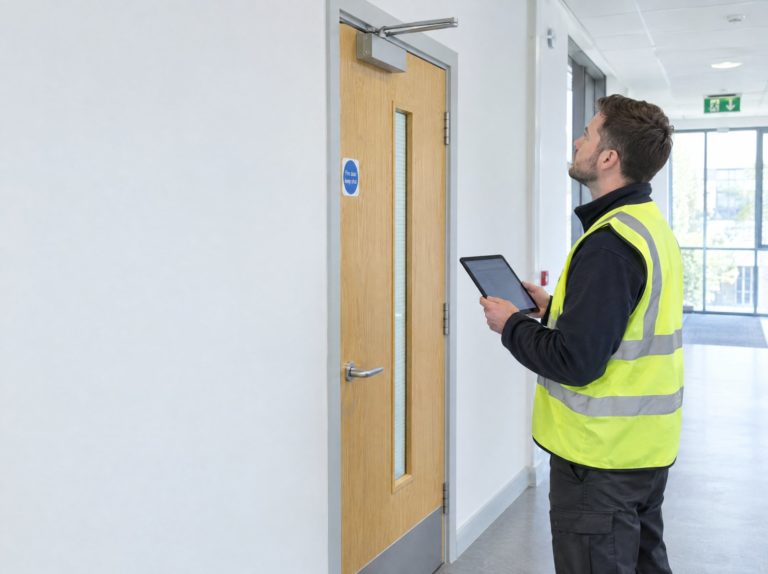
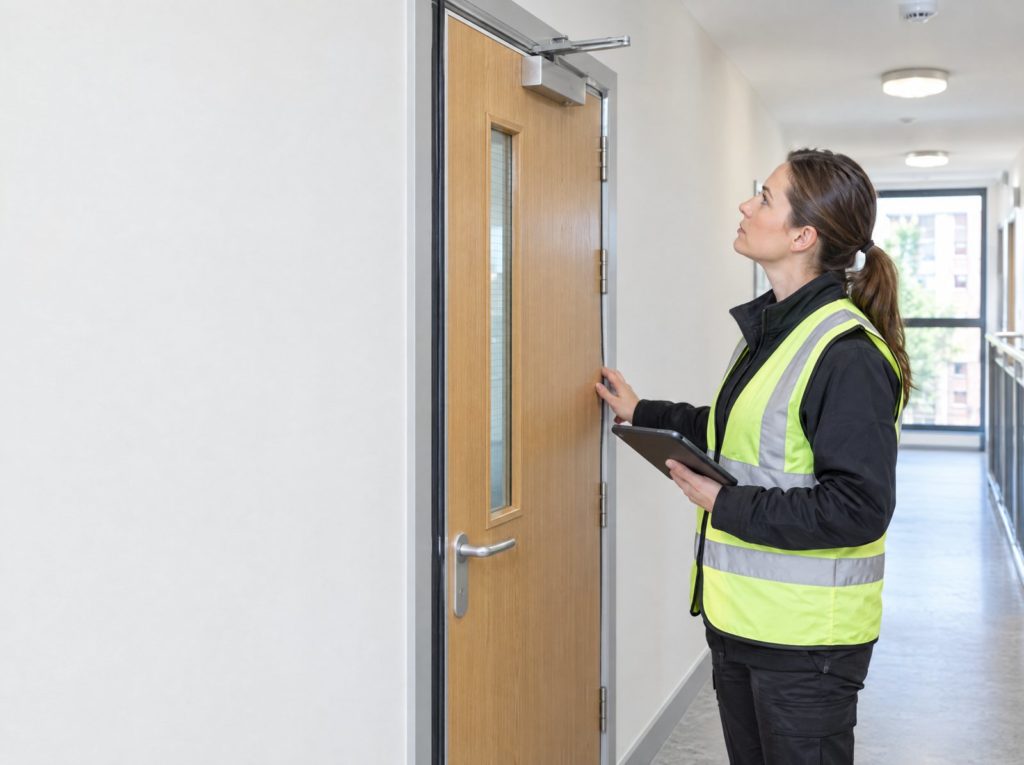
| Residential over 11 metres | Check communal fire doors at least every three months, and flat entrance doors at least every 12 months on a best endeavours basis. |
| All buildings with two or more sets of domestic premises | Give residents fire safety instructions and information about the importance of fire doors. |
The 2023 changes to the Fire Safety Order
Section 156 of the Building Safety Act 2022 amended the Fire Safety Order from 1 October 2023. All responsible persons must now:
- Record the full fire risk assessment, whatever the size of the business
- Record their fire safety arrangements and the name of the person or organisation who carried out the assessment
- Cooperate and share information with other responsible persons in the same building
- Give residents of buildings with two or more domestic premises information about fire risks and the precautions in place
- Share fire safety information with the next responsible person when they leave
Fines for some offences, such as impersonating a fire inspector, became unlimited. Our guide to personal emergency evacuation plans covers the residential PEEP rules that followed in 2026.
The ACoP and official guidance
| Publication | Status | What it covers |
|---|---|---|
| No ACoP | n/a | There is no ACoP for fire safety law. Government publishes guides, including fact sheets on the 2022 Regulations, Article 50 guidance on the Fire Safety Act and the Fire Risk Assessment Prioritisation Tool, plus guides to fire risk assessment for different premises. |
An Approved Code of Practice (ACoP) has special legal status under section 16 of the Health and Safety at Work Act. If you are prosecuted and did not follow it, you must show that you met the law in some other way that was just as good. Guidance on Regulations has no special legal status, but inspectors refer to it and following it is normally enough to comply. Our guide to UK health and safety legislation lists every law and its ACoP or guidance in one place.
Training that helps
The NEBOSH Certificate in Fire Safety covers fire risk assessment and the law in depth. For experienced fire safety practitioners who already hold a Level 4 fire qualification or work at a senior level, the Level 6 NVQ in Fire Safety Design and Building Risk Management is the next step. Our fire warden and marshal training and fire safety eLearning cover the basics for staff.
Frequently asked questions
What did the Fire Safety Act 2021 change?
It clarified that, in buildings with two or more domestic premises, the Fire Safety Order covers the structure, external walls including cladding and balconies, and flat entrance doors.
When did the Fire Safety (England) Regulations 2022 come into force?
On 23 January 2023.
How often must fire doors be checked in flats?
In residential buildings over 11 metres, communal fire doors at least every three months and flat entrance doors at least every 12 months, on a best endeavours basis.
Do all businesses now have to write down their fire risk assessment?
Yes. Since 1 October 2023, all responsible persons must record the full fire risk assessment.
Read the source
The Fire Safety Act 2021 and the Fire Safety Act 2021 (Commencement) (England) Regulations 2022; the Fire Safety (England) Regulations 2022 and the government fact sheets; and section 156 of the Building Safety Act 2022 and the government guidance on it. Facts checked on 7 October 2026.
Find a date that works
Every course, every centre, with live availability and prices.
On your site or ours, and group rates on request.