&
& 


The Regulatory Reform (Fire Safety) Order 2005, usually called the Fire Safety Order or the FSO, is the main fire safety law for almost all non-domestic premises in England and Wales, including workplaces and the common parts of blocks of flats. It replaced a patchwork of fire certificates with a single duty: assess the fire risk and act on it.
Who is the responsible person?
The Order places duties on the responsible person. In a workplace, that is the employer, if the workplace is under their control. Otherwise it is the person who has control of the premises, such as the occupier or owner. Where several people share responsibility, such as landlords and tenants, they must cooperate and coordinate.
The main duties
| Duty | What it means |
|---|---|
| Fire risk assessment | Carry out a suitable and sufficient fire risk assessment, keep it under review and, since 2023, record it in full along with the fire safety arrangements. |
| General fire precautions | Reduce the risk of fire starting and spreading, provide means of escape, detection, warning and firefighting equipment. |
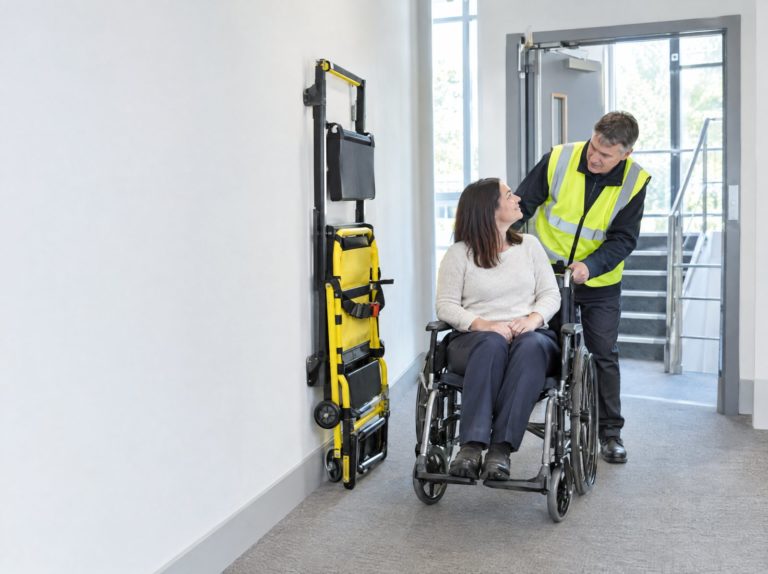
| Emergency procedures | Plan for evacuation, including for people who need help, using PEEPs where needed. |
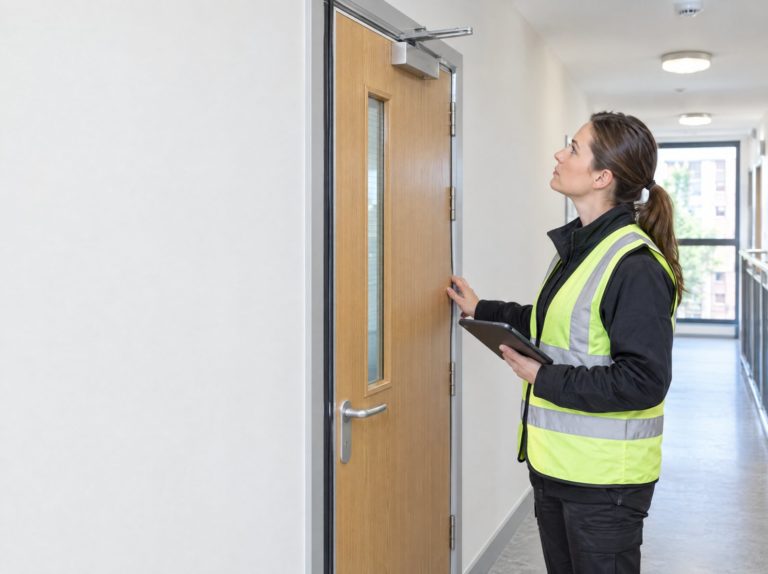
| Maintenance | Keep fire safety measures such as alarms, emergency lighting, fire doors and extinguishers in good working order. |
| Competent help | Appoint competent people to help, such as fire wardens and fire risk assessors. |
| Information and training | Give employees and others clear information and adequate training. |
| Cooperation | Cooperate with other responsible persons in shared buildings. |
Changes since 2021
- Fire Safety Act 2021. Clarified that, in buildings with two or more sets of domestic premises, the Order covers the structure, external walls including windows and balconies, and the entrance doors to individual flats.
- Building Safety Act 2022 changes from October 2023. All responsible persons must record the full fire risk assessment and their fire safety arrangements, regardless of business size, record who carried out the assessment, cooperate with other responsible persons and share fire safety information with residents in buildings with flats.
- Fire Safety (England) Regulations 2022. Added specific duties for residential buildings, such as information boxes and checks on fire doors and lifts in taller buildings.
- Residential PEEPs from April 2026. New duties for evacuation plans in high-rise and some other residential buildings in England.
Fire risk assessment
The fire risk assessment is the core of the Order. It identifies fire hazards and people at risk, evaluates and controls the risks, records the findings, plans and trains, and is reviewed regularly. Our fire risk assessment guide walks through the process.
Enforcement
The Order is mainly enforced by fire and rescue authorities. Inspectors can issue alterations notices, enforcement notices requiring improvements, and prohibition notices restricting or stopping the use of premises. Serious breaches can lead to prosecution, unlimited fines and imprisonment.
Scotland and Northern Ireland
The Order applies in England and Wales. Scotland has the Fire (Scotland) Act 2005 and Northern Ireland has its own fire safety regulations, which follow a similar risk-based approach.
The ACoP and official guidance
| Publication | Status | What it covers |
|---|---|---|
| No ACoP | n/a | There is no ACoP. Government publishes fire risk assessment guides for different types of premises under article 50 of the Order, plus guidance on the Fire Safety Act 2021 and the 2022 Regulations. |
Our guide to the Fire Safety Act 2021 and 2022 Regulations covers the newer duties.
An Approved Code of Practice (ACoP) has special legal status under section 16 of the Health and Safety at Work Act. If you are prosecuted and did not follow it, you must show that you met the law in some other way that was just as good. Guidance on Regulations has no special legal status, but inspectors refer to it and following it is normally enough to comply. Our guide to UK health and safety legislation lists every law and its ACoP or guidance in one place.
Training that helps
The NEBOSH Certificate in Fire Safety is designed for people with fire safety responsibilities, covering the Order, fire risk assessment and fire protection. For experienced fire safety practitioners who already hold a Level 4 fire qualification or work at a senior level, the Level 6 NVQ in Fire Safety (Design and Building Risk Management) recognises that experience with a higher-level qualification. Staff with fire roles can take our fire warden and marshal training or fire safety eLearning.
Frequently asked questions
What is the Regulatory Reform (Fire Safety) Order 2005?
The main fire safety law for workplaces and other non-domestic premises in England and Wales, placing duties on a responsible person to assess and manage fire risks.
Who is the responsible person?
The employer, for a workplace under their control. Otherwise, the person in control of the premises, such as the owner or occupier.
Does a fire risk assessment have to be written down?
Yes. Since 1 October 2023 all responsible persons in England must record the full fire risk assessment and their fire safety arrangements.
Who enforces the Fire Safety Order?
Mainly the local fire and rescue authority, with other bodies enforcing it in some premises such as construction sites and Crown buildings.
Read the source
The Regulatory Reform (Fire Safety) Order 2005 (SI 2005/1541), including articles 3, 5, 8 to 22 and Part 3 on enforcement; the Fire Safety Act 2021; the Building Safety Act 2022, section 156; the Fire Safety (England) Regulations 2022; the Fire Safety (Residential Evacuation Plans) (England) Regulations 2025; and Home Office fire safety guidance. Facts checked on 6 October 2026.
Find a date that works
Every course, every centre, with live availability and prices.
On your site or ours, and group rates on request.