&
& 


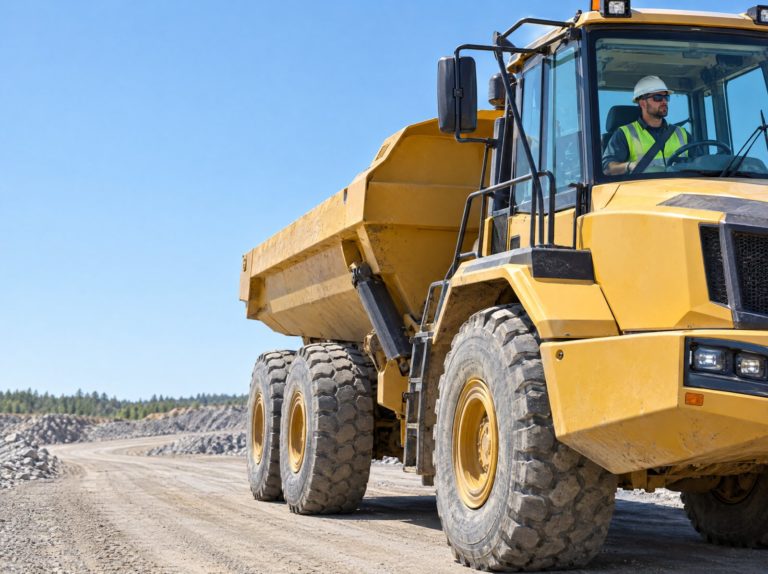
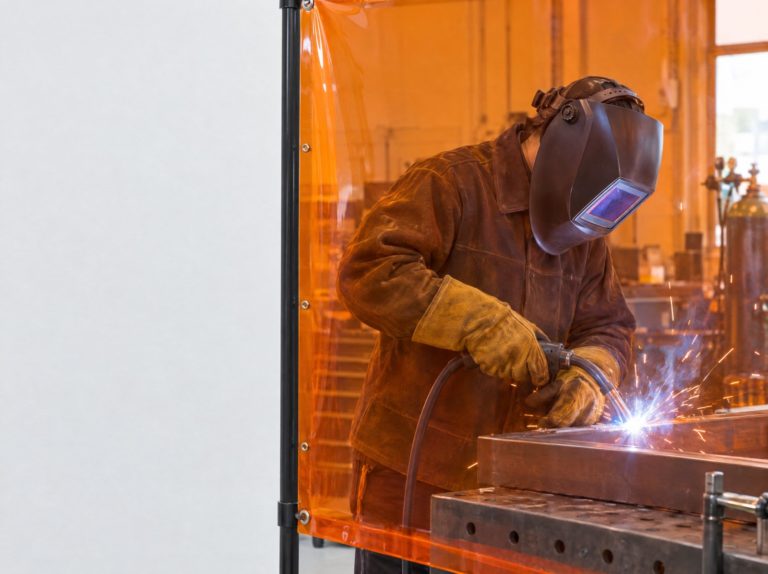
Personal protective equipment, or PPE, is anything worn or held to protect against a risk to health or safety: hard hats, safety footwear, gloves, eye protection, high visibility clothing, harnesses and more. The Personal Protective Equipment at Work Regulations 1992 set out when it must be provided and how it must be managed.
PPE is the last resort
PPE only protects the person wearing it, only when it fits and is worn properly, and it fails without warning. That is why it sits at the bottom of the hierarchy of controls. The regulations require PPE where risks have not been adequately controlled by other means that are equally or more effective.
Employer duties
| Regulation | Duty |
|---|---|
| 4 | Provide suitable PPE where risks cannot be adequately controlled in other ways. |
| 5 | Make sure items worn together are compatible, for example eye protection that does not stop a respirator sealing. |
| 6 | Assess the PPE before choosing it, to check it is suitable for the risk, the task and the wearer. |
| 7 | Maintain, clean, repair and replace PPE so it stays effective. |
| 8 | Provide suitable storage when it is not in use. |
| 9 | Give information, instruction and training on the risks, why the PPE is needed and how to use and look after it. |
| 10 | Take reasonable steps to make sure PPE is properly used. |
PPE must be provided free of charge. Section 9 of the Health and Safety at Work Act stops employers charging for anything provided to meet a specific legal requirement.
The 2022 changes: limb (b) workers
From 6 April 2022, the Personal Protective Equipment at Work (Amendment) Regulations 2022 extended the employer’s PPE duties to limb (b) workers. These are people who work under a more casual arrangement, generally carry out the work personally and are not genuinely self-employed. Many agency, zero hours and casual workers fall into this group. If you employ them, they are entitled to the same PPE, free of charge, as your employees.
Worker duties
- Use PPE in line with the training and instructions given
- Return it to its storage after use
- Report any loss or obvious defect straight away
- Do not misuse or interfere with it, which is also an offence under section 8 of the Act
Where other regulations take over
Some PPE is covered by more specific regulations, which apply instead of the PPE Regulations for those risks. Respiratory protective equipment is covered by COSHH and the asbestos and lead regulations, and hearing protection by the Noise at Work Regulations. Head protection on construction sites is covered by the PPE Regulations since the old construction head protection rules were revoked in 2013. Our guide to face fit testing covers respirators in detail.
Choosing the right PPE
- Start from the risk assessment: what hazard is the PPE protecting against?
- Check it meets the right standard and carries the UKCA or CE marking.
- Involve the wearers. Fit, comfort and size range matter, including for women and people of different builds.
- Check compatibility with other PPE worn at the same time.
- Plan training, storage, inspection and replacement.
The ACoP and official guidance
| Publication | Status | What it covers |
|---|---|---|
| L25 Personal protective equipment at work (4th edition, 2022) | Guidance on Regulations, not an ACoP | Selection, assessment, maintenance, storage, training and the 2022 extension to limb (b) workers. |
An Approved Code of Practice (ACoP) has special legal status under section 16 of the Health and Safety at Work Act. If you are prosecuted and did not follow it, you must show that you met the law in some other way that was just as good. Guidance on Regulations has no special legal status, but inspectors refer to it and following it is normally enough to comply. Our guide to UK health and safety legislation lists every law and its ACoP or guidance in one place.
Training that helps
Our PPE eLearning is a quick introduction for all staff. For anyone who chooses controls, IOSH Managing Safely and the NEBOSH National General Certificate explain the hierarchy of controls and where PPE fits.
Frequently asked questions
Does my employer have to pay for PPE?
Yes. PPE needed to protect against a risk at work must be provided free of charge.
What changed in the PPE Regulations in 2022?
From 6 April 2022, the employer’s duties were extended to limb (b) workers, such as many casual and agency workers, as well as employees.
Is PPE the first line of defence?
No. It is the last resort, used when risks cannot be adequately controlled by other means.
Can workers be disciplined for not wearing PPE?
Workers have a legal duty to use PPE as instructed, and employers can treat a failure to do so as a disciplinary matter, provided the PPE is suitable and training has been given.
Read the source
The Personal Protective Equipment at Work Regulations 1992, as amended by the Personal Protective Equipment at Work (Amendment) Regulations 2022; HSE guidance L25, Personal protective equipment at work; and the Health and Safety at Work etc. Act 1974, sections 8 and 9. Facts checked on 6 October 2026.
Find a date that works
Every course, every centre, with live availability and prices.
On your site or ours, and group rates on request.