&
& 


Part of our CDM 2015 series. See CDM Regulations 2015 explained for every duty holder and key document in one place.
Pre-construction information is the information the client already has, or can reasonably obtain, that designers and contractors need to plan the work safely. Good pre-construction information prevents nasty surprises on site, such as finding asbestos, live cables or weak floors after work has started.
Who provides it, and when
| Duty holder | Responsibility |
|---|---|
| Client | Provides pre-construction information as soon as practicable to every designer and contractor appointed, or being considered for appointment. |
| Principal designer | Helps the client gather it, and passes it on to designers and contractors. |
| Designers and contractors | Use it to plan their work, and flag gaps they find. |
It should be provided early, ideally while designers and contractors are still being chosen, so it can shape their designs, prices and plans.
What it should include
HSE guidance L153 suggests pre-construction information covers the following headings, in proportion to the project.
| Heading | Examples |
|---|---|
| Description of the project | Key dates, the client, the project team, the scope of work and any existing drawings or surveys |
| Client’s considerations and management requirements | Site rules, working hours, security, arrangements for occupied buildings and how the client will manage the project |
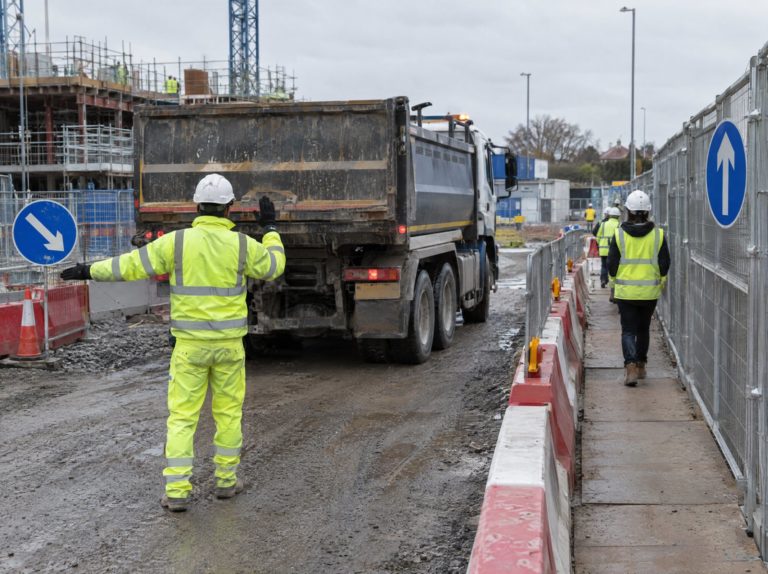
| Environmental restrictions and existing on-site risks | Asbestos surveys, underground and overhead services, contaminated land, structural condition, neighbouring properties, access and traffic |
| Significant design and construction hazards | Known hazards from the design, and any specific requirements for the work |
| The health and safety file | The existing health and safety file for the building, if there is one |
A practical checklist for clients
- Existing health and safety file and as-built drawings
- Asbestos survey, a refurbishment and demolition survey where work will disturb the fabric
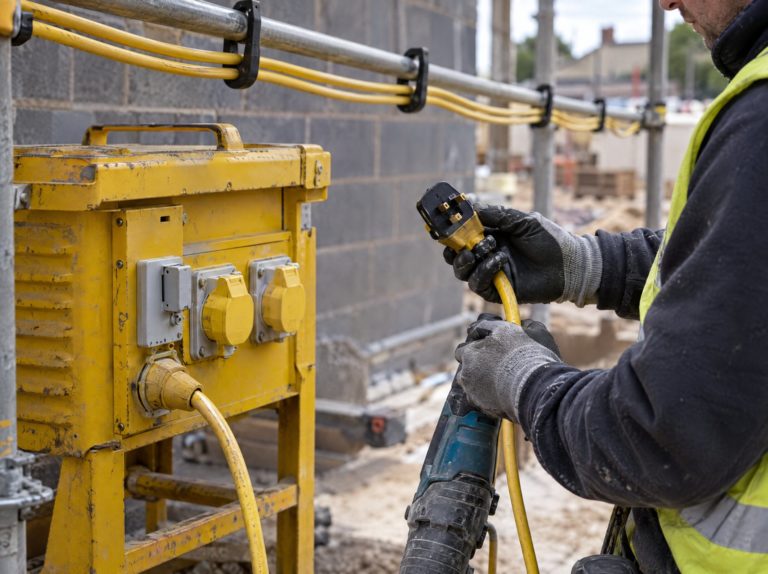
- Locations of underground and overhead services
- Ground investigation and contamination reports
- Structural information, including floor loadings
- Restrictions such as occupied areas, access times and neighbours
- Hazards from the client’s own operations if the site is in use
Common gaps
- Pre-construction information issued too late to influence design or tender
- A generic document reused from another project
- An asbestos management survey supplied when a refurbishment and demolition survey is needed
- Missing information on existing services, a common cause of service strikes
Our guide to safe systems of work covers digging near services, one of the risks good pre-construction information helps control.
Training that helps
Clients and their directors can learn what is expected of them on the CITB Directors’ Role for Health and Safety course. The NEBOSH Health and Safety Management for Construction certificate covers the CDM documents in depth, and our CDM awareness eLearning is a quick introduction.
Where this fits in SMSTS and SSSTS
Pre-construction information is one of the CDM documents covered on SMSTS and SSSTS. Our free SMSTS mock test and SSSTS mock test let you check your knowledge before the course or a refresher, and you can email yourself the results sheet at the end.
When you are ready, the five day SMSTS course is for site managers and the two day SSSTS course is for supervisors. If your certificate is due, the SMSTS refresher and SSSTS refresher keep it current.
Frequently asked questions
Who is responsible for pre-construction information?
The client, with help from the principal designer, who also passes it on to designers and contractors.
When should pre-construction information be provided?
As soon as practicable, to every designer and contractor appointed or being considered for appointment.
Is pre-construction information needed on small projects?
Yes. All projects need it, though it should be in proportion to the size and risk of the work.
Is pre-construction information the same as the construction phase plan?
No. Pre-construction information comes from the client before work is planned. The construction phase plan is drawn up by the principal contractor for managing the work on site.
Read the source
The Construction (Design and Management) Regulations 2015, regulations 2, 4 and 11; HSE guidance L153, Managing health and safety in construction, Appendix 2; and HSE guidance on asbestos surveys. Facts checked on 6 October 2026.
Upcoming CITB Site Safety dates
Straight from the booking system, so this block is never out of date.
Prices exclude VAT. Dates and places update automatically.