&


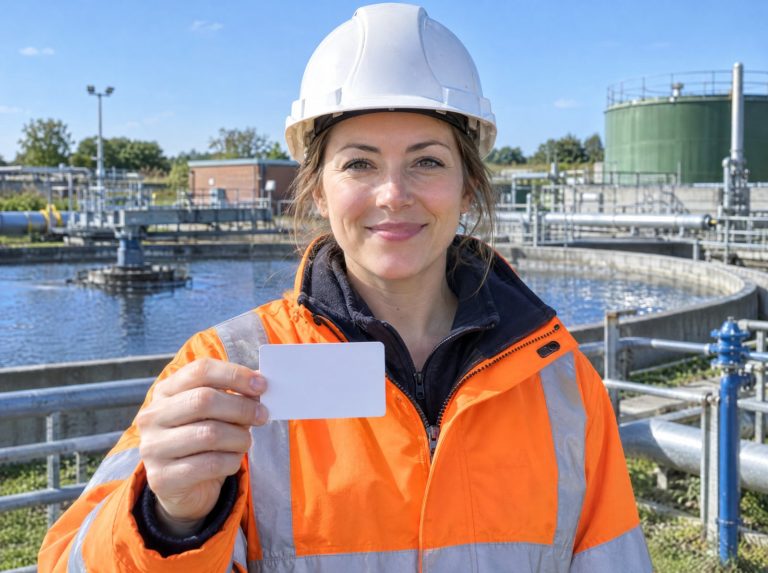
The EUSR National Water Hygiene registration, known on site as the Blue Card, is what UK water companies require before anyone carries out restricted operations on the clean water network or enters a clean water site. Our course takes half a day and the registration lasts three years.
Why it exists
Drinking water is easy to contaminate and hard to put right afterwards, and the people affected are the customers at the tap. The Blue Card makes sure everyone who works on or near a clean water asset understands the hygiene standard expected of them. It is run by Energy and Utility Skills through the EUSR (Energy and Utilities Skills Register), which records every registration so employers and water companies can check it.
Who needs a Blue Card?
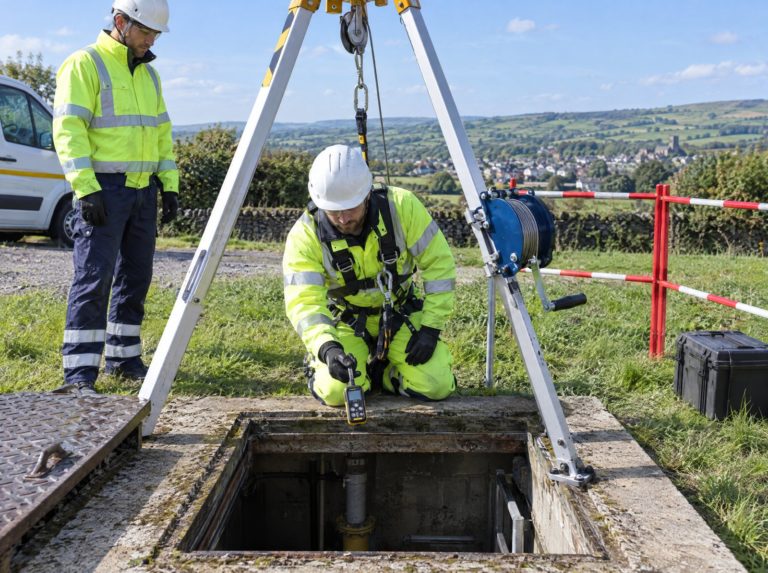
Not only water company staff. According to EUSR, it applies to water company employees and to people working for subcontractors and other organisations, including Self-Lay Organisations. EUSR defines restricted operations as work on:
- Service reservoirs, water pumping stations and water treatment works
- Wells, springs and boreholes
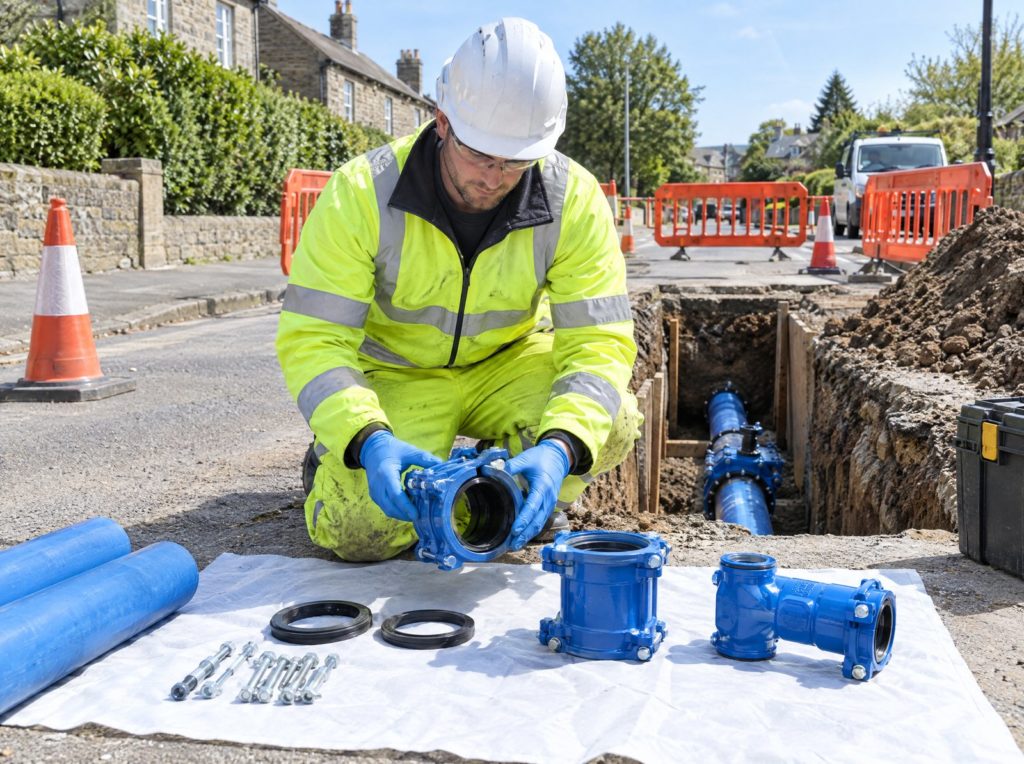
- The network of water mains and service pipes
In practice that takes in groundworkers, plant operators, leakage and mains rehabilitation crews, and anyone else whose work brings them onto potable water assets. If you already hold other EUSR registrations, our guide to the EUSR card explains how they fit together.
What the course involves
| Item | Detail |
|---|---|
| Length | Half a day with us |
| Health screening | A questionnaire completed before the training and assessment |
| Assessment | A 25-question multiple choice test |
| Valid for | Three years |
| Refresher | None: you retake the training and assessment when it expires |
What you will cover
The EUSR syllabus has four parts: the importance of water, water as a carrier of disease, potential contamination and its consequences, and preventing contamination. In the session that means:
- Why clean drinking water matters to public health, and why the controls are so strict
- How water carries disease, and which organisms the controls are aimed at
- How contamination happens on a clean water site, and what it costs consumers, employers and water companies
- Practical steps that prevent contamination during restricted operations
- Personal hygiene, fitness to work and safe handling of tools, fittings and materials
There are no entry requirements. You do not need a qualification or any previous training, and there is no portfolio to build.
The health questionnaire
Before the training and assessment, everyone completes a health screening questionnaire. EUSR asks you to declare whether, in the past 12 months, you have had typhoid, paratyphoid, dysentery, persistent diarrhoea or vomiting, jaundice, hepatitis A or E, or a prolonged unexplained fever. It is a screening step rather than a medical. If you answer yes to any of them, you need written confirmation from a doctor (your GP, for example) that you are free of the illness and its symptoms before EUSR will register you.
Blue Card or SHEA Water?
They are different, and some water contracts ask for both. National Water Hygiene is about protecting the water supply from contamination. SHEA Water is the one-day safety, health and environmental awareness scheme for the water industry, about keeping the worker safe. It is also valid for three years. If you are pricing a water framework, check the contract wording for both.
Planning renewals for a team
Because there is no separate refresher, everyone retakes the training and assessment every three years. For a team, that makes it worth tracking expiry dates in one place and booking the course onsite in a single morning, so the whole crew renews together and nobody loses a day travelling.
How to take the course
We run National Water Hygiene onsite at employers’ own premises anywhere in the UK, as a live online session joined from anywhere, and in the classroom at our centres in Stoke-on-Trent, Derby, Manchester and Liverpool, where we can open a date on request. You can see the rest of our water, gas and power registrations on our EUSR courses page.
Frequently asked questions
How long does the water hygiene course take?
Our National Water Hygiene course takes half a day, with a 25-question multiple choice test at the end.
How long is the Blue Card valid?
Three years. There is no refresher: when the registration expires you retake the training and assessment.
Is National Water Hygiene the same as SHEA Water?
No. National Water Hygiene protects the water supply from contamination; SHEA Water is the one-day safety, health and environmental awareness scheme for water industry workers. Some contracts need both.
How is it assessed?
By a 25-question multiple choice test. You also complete a health screening questionnaire before the training, and if you declare one of the listed illnesses from the past 12 months you need a doctor’s confirmation before you can be registered.
Read the source
Checked against the Energy and Utility Skills (EUSR) National Water Hygiene and SHEA Water scheme pages, and the Acadame EUSR National Water Hygiene course page. Facts checked on 9 November 2026.
Find a date that works
Every course, every centre, with live availability and prices.
On your site or ours, and group rates on request.