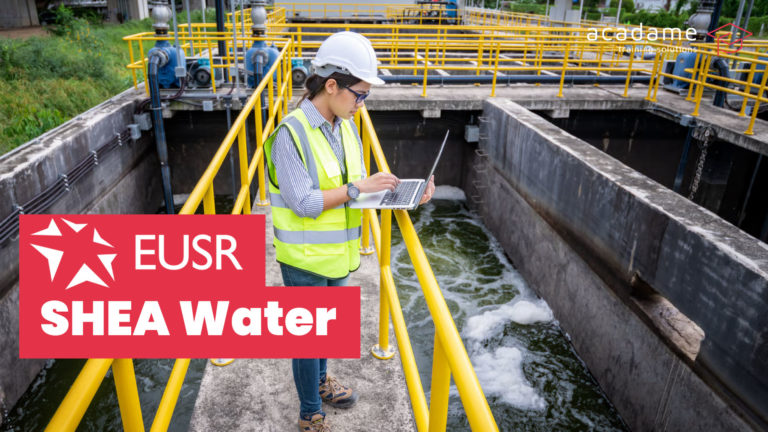
What Is The EUSR National Water Hygiene Blue Card?
The Blue Card is the recognised EUSR registration for individuals who need to enter clean water sites or carry out restricted operations within the clean water network. It confirms that the holder has completed approved National Water Hygiene training.
Who Should Attend EUSR National Water Hygiene Training?
This course is suitable for contractors, subcontractors, Self-Lay Organisation operatives, direct employees of water companies, and anyone else who may work on clean water infrastructure or access restricted clean water sites.
What Are Restricted Operations In The Water Industry?
Restricted operations generally include work that could affect water quality, such as tasks on water treatment works, service reservoirs, pumping stations, wells, springs, boreholes, water mains and service pipes.
How Long Does The EUSR Water Hygiene Course Take?
The EUSR National Water Hygiene course is usually delivered as a half-day training course, making it a practical option for employers needing compliance-focused training with minimal disruption.
How Is The EUSR National Water Hygiene Course Assessed?
Candidates complete a multiple-choice assessment at the end of the course and a health-screening questionnaire. Active participation during the session is also expected.
How Long Is The EUSR Blue Card Valid For?
Successful candidates receive EUSR National Water Hygiene registration, commonly known as the Blue Card, which is valid for three years.
Can The EUSR National Water Hygiene Course Be Delivered Onsite?
Yes. Acadame can deliver EUSR National Water Hygiene training onsite for employer groups, helping organisations train teams conveniently at their own premises or work locations.
Where Can I Book EUSR Water Hygiene Training?
Acadame can support EUSR National Water Hygiene training through centre-based options in Stoke, Derby, Manchester and Liverpool, onsite delivery nationwide, and partner-supported local solutions for wider UK coverage.
Why Is National Water Hygiene Training Important?
This training is vital because it helps prevent contamination of drinking water, protects public health, and ensures workers understand the hygiene standards expected when working on clean water systems.

 171 Reviews