
 &
& 


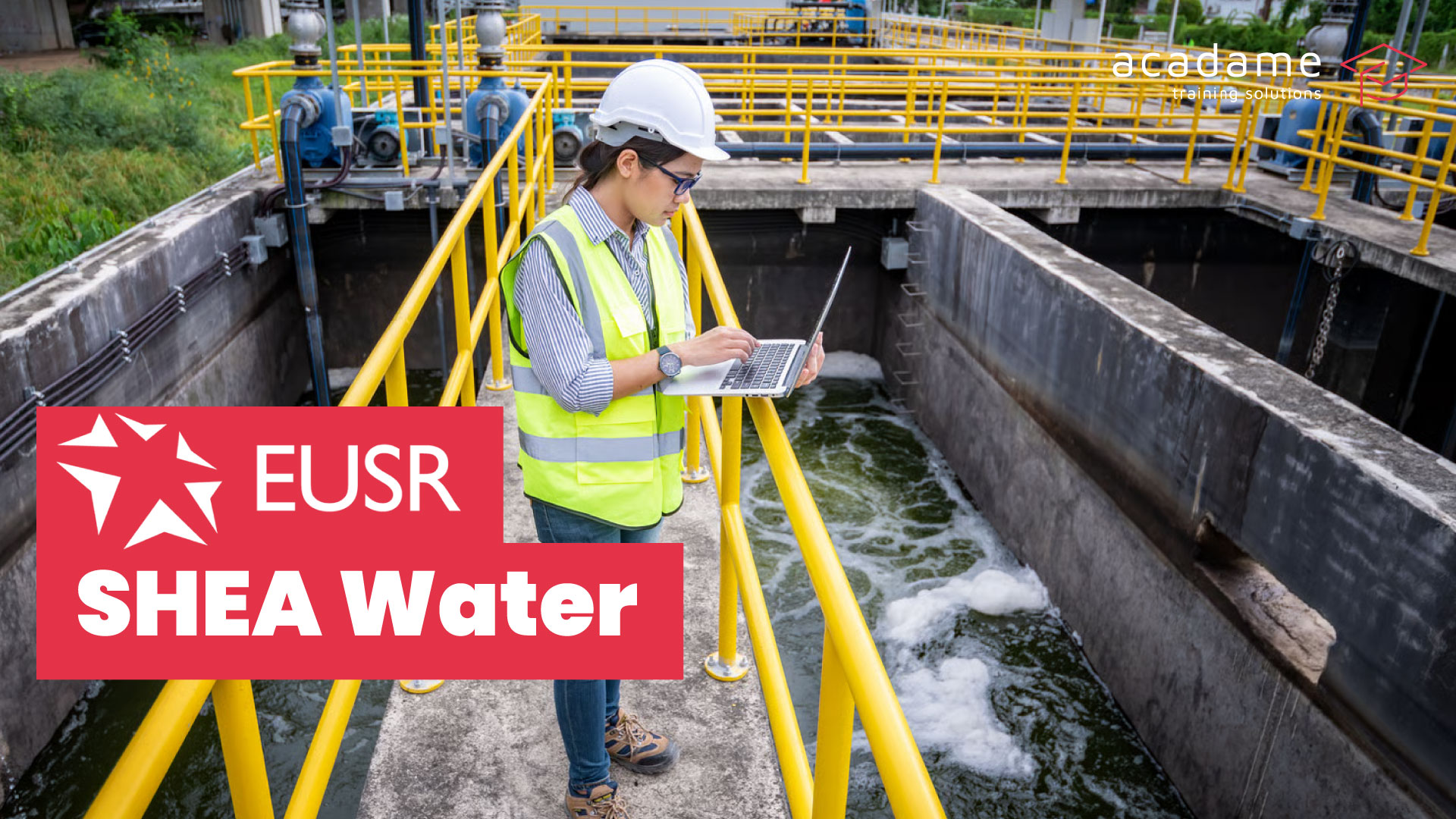
This card is affiliated with CSCS and will allow holders access to construction sites for the purposes of utility work without a separate CSCS card. Therefore, SHEA Water Passport training is perfect for water industry workers from operatives through to management.
Want to run this event in-house? Enquire about running this event in-house
Interested in attending? Have a suggestion about running this course near you?
Register your interest now
Description
This card is affiliated with CSCS and will allow holders access to construction sites for the purposes of utility work without a separate CSCS card. Therefore, SHEA Water Passport training is perfect for water industry workers from operatives through to management.
Syllabus
The SHEA Water card consists of 8 modules with 6 core modules focusing on health, safety and the environment, followed by 2 modules specific to the water industry. The full course content is:
- Health and safety responsibilities in the workplace
- Effects of work on the environment
- Identifying and controlling risks
- Common hazards in the workplace
- Sewerage network and process operatives
- Highway working and excavations
- Operational health hazards
- Responding to emergencies