
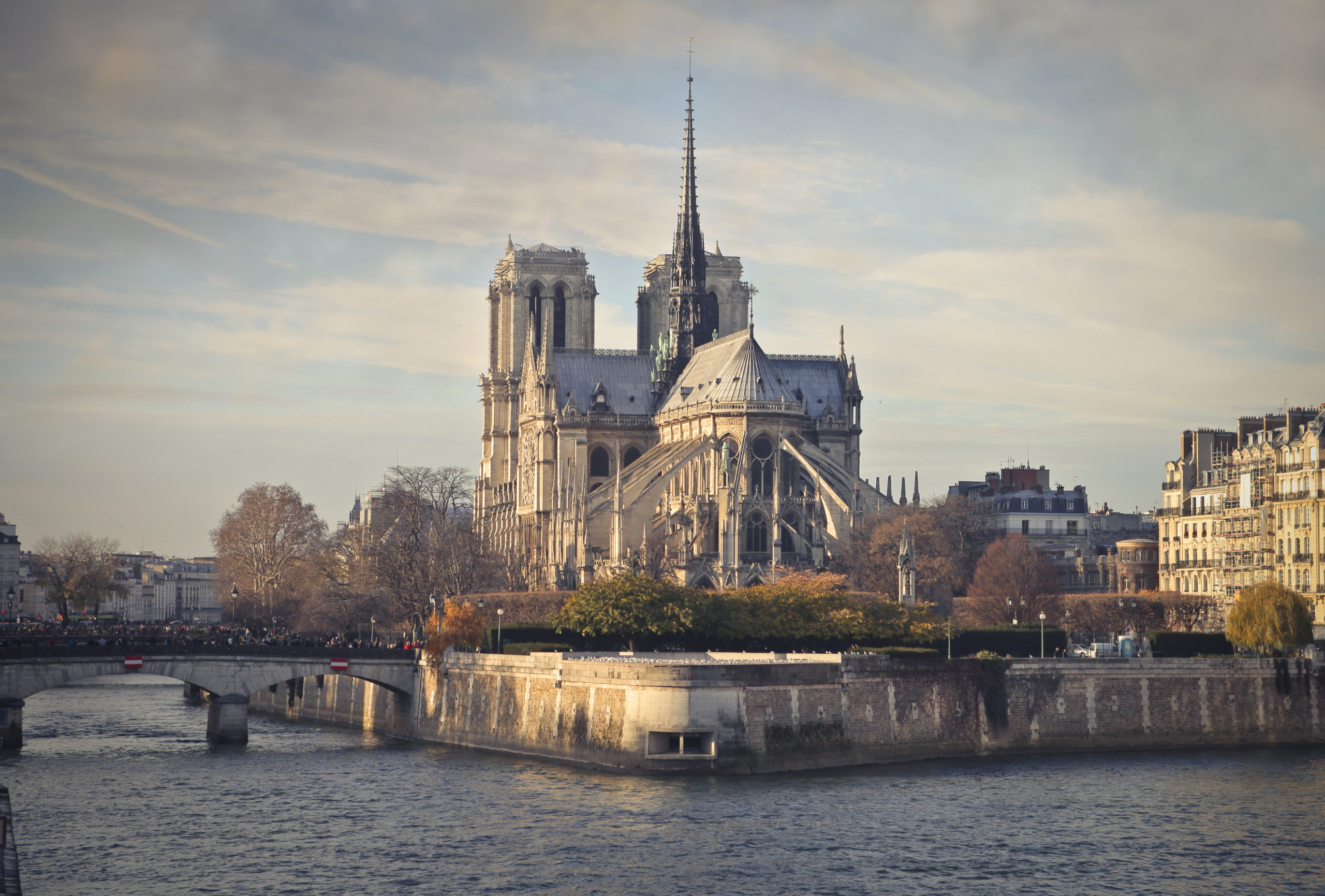
The Notre Dame Cathedral fire on April 15, 2019, was a catastrophic event that caused extensive damage to one of France’s most iconic landmarks. This case study examines the events leading up to the fire, the factors contributing to the disaster, and the subsequent changes in fire safety regulations, especially relevant for professionals pursuing the NEBOSH Certificate in Fire Safety.
Background
Notre Dame Cathedral, located in the heart of Paris, is a Gothic masterpiece constructed between the 12th and 14th centuries. Renowned for its architectural beauty, the cathedral was undergoing significant restoration work at the time of the fire, which aimed to preserve and restore its historical features. The project involved repairing the spire and reinforcing the wooden roof framework.
The Disaster
Sequence of Events:
- Fire Ignition: The fire started in the attic beneath the cathedral’s roof, known as “the forest” due to its dense wooden framework. The exact cause remains undetermined, but it is believed to have been accidental, potentially linked to the renovation work.
- Fire Spread: The fire quickly engulfed the wooden roof structure, spreading to the spire, which collapsed within hours. The lead-covered roof melted, and the blaze threatened the entire structure.
- Emergency Response: Parisian firefighters arrived promptly, employing over 400 personnel to battle the flames. Their efforts saved the main bell towers and much of the exterior stonework, but significant damage to the roof and spire was inevitable.
Causes
The investigation identified several factors contributing to the fire:
- Renovation Work: Ongoing renovation introduced potential ignition sources, including electrical equipment and hot work operations. Inadequate fire safety measures during the renovation likely contributed to the ignition and initial spread.
- Combustible Materials: The extensive use of aged, dry oak in the roof structure provided ample fuel for the fire. The centuries-old timber, combined with lead roofing, created a highly combustible environment.
- Fire Detection and Response: Although fire alarms were present, initial confusion delayed the response. The fire was not immediately located, allowing it to grow uncontrollably before firefighting efforts began.
Impact on Fire Safety Regulations
The Notre Dame Cathedral fire prompted a reevaluation of fire safety practices for historical buildings in France and worldwide. Key changes and discussions include:
- Enhanced Fire Safety Measures: Increased focus on implementing robust fire safety protocols during renovation projects. This includes better management of hot work, electrical safety, and regular fire watch procedures.
- Fire Detection Systems: Improved fire detection and alarm systems, tailored to historical structures, ensuring rapid identification and precise location of fires to enable a quicker response.
- Material Safety: Reviewing the use of traditional and modern materials in restoration projects. Emphasising the balance between historical authenticity and fire safety.
- Training and Awareness: Specialised training for contractors and workers involved in the restoration of historical buildings, highlighting fire risks and prevention measures.
Lessons for NEBOSH Candidates
For health and safety professionals, particularly those pursuing the NEBOSH Certificate in Fire Safety, the Notre Dame Cathedral fire underscores several critical lessons:
- Risk Assessment in Renovation: Conducting thorough risk assessments during renovation projects is essential. Identifying potential fire hazards and implementing stringent control measures can prevent such disasters.
- Fire Safety Planning: Developing comprehensive fire safety plans that account for the unique characteristics of historical buildings. Ensuring clear communication and coordination among all stakeholders.
- Material Considerations: Understanding the fire performance of materials used in historical buildings and during restoration. Balancing preservation with safety.
- Emergency Preparedness: Establishing robust emergency response plans, including regular drills and clear procedures for rapid evacuation and firefighting.
- Continuous Monitoring: Implementing continuous monitoring and fire watch practices during high-risk activities, particularly in sensitive environments like historical landmarks.
Conclusion
The Notre Dame Cathedral fire was a devastating event that highlighted significant challenges in fire safety for historical buildings. For health and safety professionals, it serves as a crucial reminder of the importance of rigorous safety standards, effective planning, and ongoing vigilance in fire safety management. By applying the lessons learned from this disaster, professionals can contribute to the preservation of cultural heritage while ensuring the safety of these invaluable structures.
References
- Notre Dame Cathedral Fire Investigation Reports
- French Ministry of Culture – Fire Safety in Historical Buildings
- National Fire Protection Association (NFPA) – Guidelines for Fire Safety in Historic Buildings
- BBC News – Notre Dame Cathedral Fire
- Fire Safety Europe – Post-Notre Dame Fire Safety Regulations