
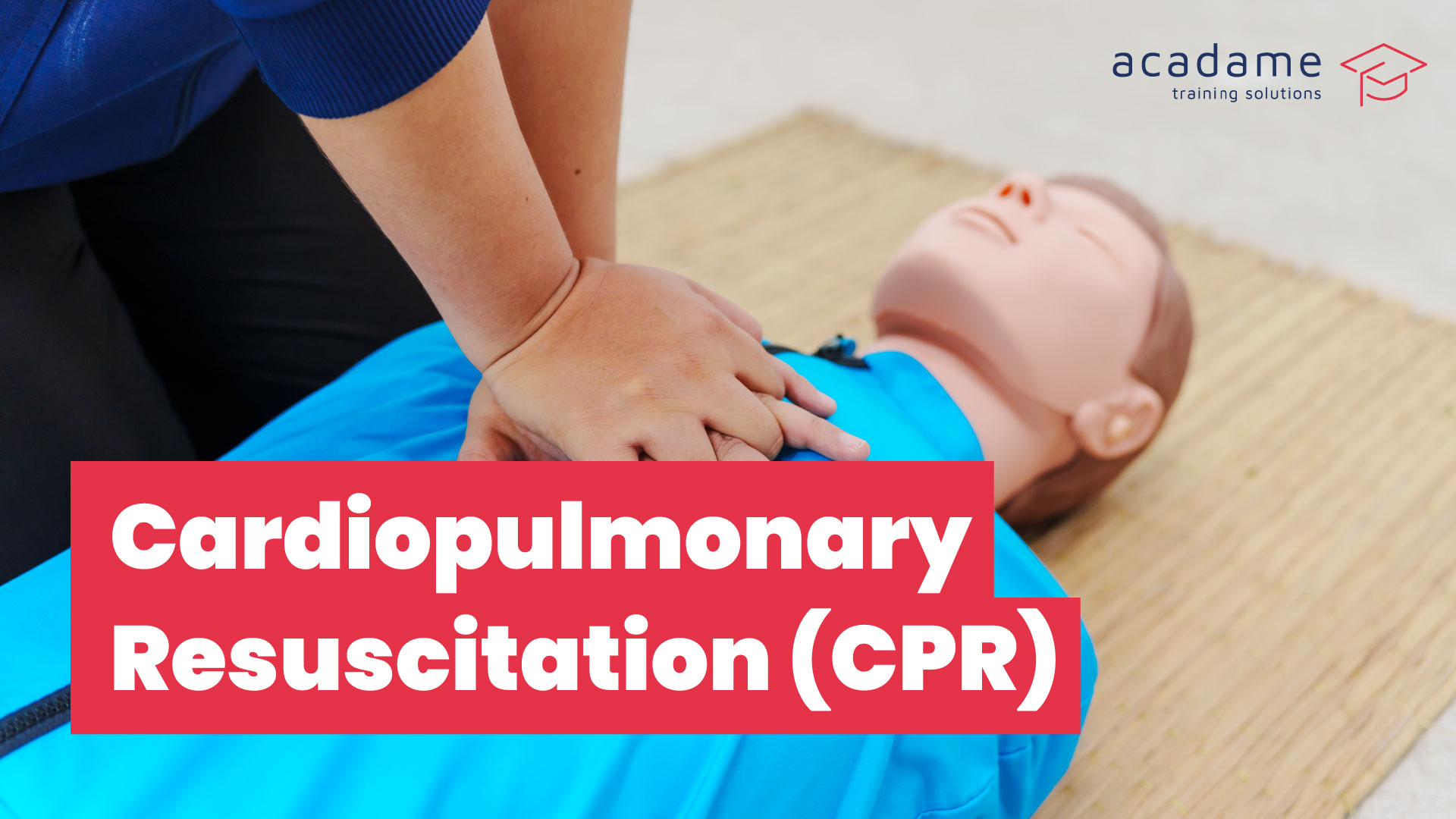
This half CPR course combines theory and hands-on practice, teaching essential skills for performing CPR on adults, children, and infants, and using AEDs, preparing candidates for emergency situations.
Want to run this event in-house? Enquire about running this event in-house
Interested in attending? Have a suggestion about running this course near you?
Register your interest now
Description
This half day CPR course, designed for both laypersons and healthcare professionals, combines theory and hands-on practice. Candidates will learn to recognise cardiac arrest, perform CPR on adults, children, and infants, and use AEDs effectively. The course covers the physiology of the heart and lungs, the chain of survival, and emphasises the importance of early intervention. Realistic simulations and guided practice with mannequins ensure participants can confidently apply their skills in emergencies. Ideal for anyone seeking CPR certification or to update their life-saving skills.
Learning outcomes
- Life-Saving Skills: Gain essential techniques to perform CPR on adults, children, and infants, increasing the chances of saving lives during cardiac emergencies.
- Confidence in Emergencies: Build confidence through hands-on practice and realistic simulations, ensuring you can act swiftly and effectively when needed.
- Knowledge of AED Use: Learn to operate automated external defibrillators (AEDs), an integral part of the resuscitation process, enhancing your emergency response capability.
- Understanding Cardiac Physiology: Understand the heart and lung physiology, helping you recognise signs of cardiac arrest and the importance of timely intervention.
- Certification for Professionals: Obtain or update CPR certification, meeting professional requirements and enhancing your qualifications in healthcare or related fields.
- Community Preparedness: Contribute to community safety by being prepared to respond to cardiac emergencies, fostering a safer environment for everyone.
Syllabus
Introduction to CPR
-
Overview of course objectives, importance of CPR, and real-life impact of timely intervention in cardiac emergencies.
Understanding Cardiac Arrest
-
Learn about the physiology of the heart and lungs, common causes of cardiac arrest, and early signs and symptoms to watch for.
The Chain of Survival
-
Study the critical steps in the chain of survival, emphasising the importance of early recognition and intervention in saving lives.
Performing CPR on Adults
-
Detailed instruction and practice on performing chest compressions and rescue breaths for adults, including correct hand positioning and compression depth.
CPR for Children and Infants
-
Adaptations of CPR techniques for children and infants, focusing on appropriate force and techniques for different age groups.
Using Automated External Defibrillators (AEDs)
-
Training on the operation and application of AEDs, understanding their role, and integrating their use into the CPR process.
Practical Hands-On Training
-
Guided practice with mannequins, allowing participants to refine their skills in a controlled, supervised environment.
Realistic Emergency Simulations
-
Engage in simulated emergency scenarios to apply CPR and AED skills, enhancing readiness for real-life situations.
Assessment
The method of assessment is a two-step journey:
Step 1: Multiple Choice Exam
-
Classroom Theory Component: The course begins with a comprehensive classroom theory session. This component covers understanding cardiac physiology, recognising cardiac arrest, the chain of survival, and the theoretical aspects of performing CPR and using AEDs.
-
Written Assessment: At the end of the theoretical component, candidates will complete a short multiple-choice exam. This assessment tests their understanding of the key concepts, ensuring they have retained the necessary knowledge to perform CPR effectively.
Step 2: Practical
-
Hands-On Practice: The practical element of the course includes extensive hands-on practice sessions. Candidates will practice performing chest compressions, rescue breaths, and using AEDs on mannequins under the supervision of certified instructors.
-
Emergency Simulations: Candidates will engage in realistic emergency scenarios, applying their CPR and AED skills in a controlled environment. This simulation helps assess their readiness and confidence in handling real-life emergencies.
-
Practical Assessment: During the practical sessions, instructors will evaluate delegates' proficiency in performing CPR and using AEDs. This assessment ensures that candidates can apply the techniques correctly and effectively.
Completing both the theoretical and practical assessments ensures that candidates are thoroughly prepared and confident in their ability to perform CPR and use AEDs in emergency situations.