
 &
& 

Hybrid and Electric Vehicle Basic Safety Awareness eLearning
Online basic safety awareness for working around hybrid and electric vehicles: the high-voltage systems, the silent running, and the hazards a conventional vehicle never had.
Who it is for
Who this hybrid and electric vehicle safety course is for
Electric and hybrid vehicles bring hazards petrol and diesel never did: high-voltage cabling, stored energy that stays live after shutdown, silent movement, and battery fires that behave differently. This is awareness for the people around them, not qualification to work on them.
- Vehicle workshop and valeting staff
- Roadside assistance and recovery operators
- Fleet, transport and depot teams
- Car park, dealership and forecourt staff
- Emergency and first response teams needing basic awareness
- Anyone working near EVs and charging equipment
Course content
What the hybrid and electric vehicle safety course covers
Six short modules on recognising the vehicle, understanding what is live, and knowing where basic awareness stops.
Hybrid and electric vehicle types
Full electric, plug-in hybrid and hybrid, and how each behaves differently.
High-voltage systems
Orange cabling, battery packs and the energy that remains stored after shutdown.
Recognising and isolating
Identifying an electrified vehicle and understanding what isolation does and does not achieve.
Silent running
Movement without engine noise, and the risk in workshops, depots and car parks.
Battery incidents
Thermal runaway, why battery fires behave differently, and what not to attempt.
Charging equipment
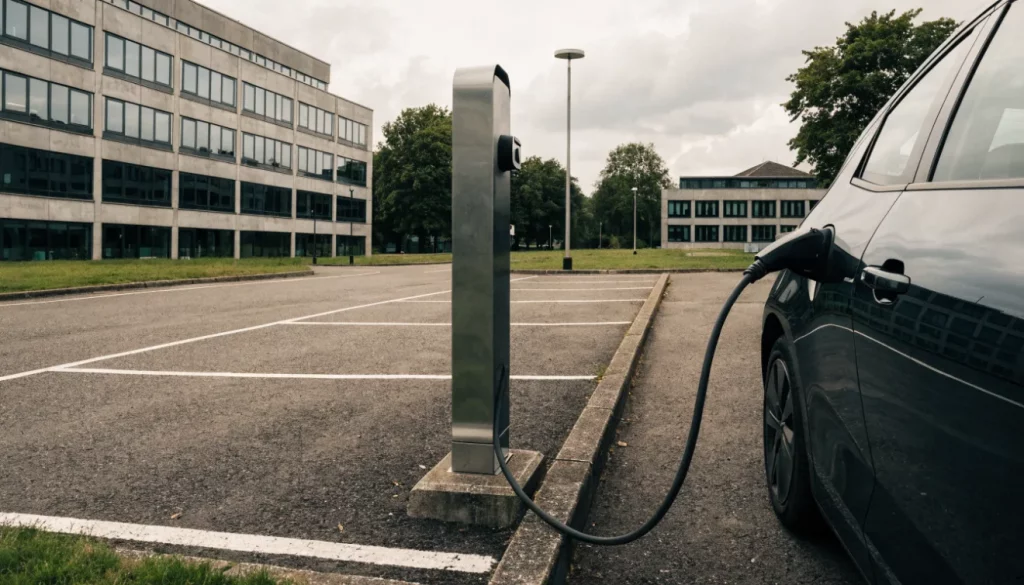
Cables, connectors, trip hazards and safe use of charging points.
Outcomes
What you will be able to do afterwards
- Identify a hybrid or electric vehicle and its high-voltage components
- Explain why high voltage can remain present after shutdown
- Recognise the risk from silent vehicle movement
- Describe how a battery incident differs from a conventional vehicle fire
- Use charging equipment safely
- Know the limit of awareness training and when to call a qualified technician
Your legal duty
The law behind hybrid and electric vehicle safety training
There is no regulation written specifically for electric vehicle awareness. The duties come from the general framework: employers must ensure health and safety so far as is reasonably practicable, assess the risks, and provide information, instruction and training suited to the work.
Where people actually work on high-voltage systems, the Electricity at Work Regulations 1989 apply, and that work requires proper technical qualification. This course is awareness only and does not authorise anyone to work on a high-voltage system.
- Health and Safety at Work etc. Act 1974 - sections 2 and 3
- Management of Health and Safety at Work Regulations 1999 - risk assessment
- Electricity at Work Regulations 1989 - where work is done on electrical systems
- No regulation is written specifically for EV awareness training
Practicalities
How the course works
For employers
Hybrid and Electric Vehicle Safety training for a team
Depots and workshops usually need awareness across the whole team, with technical qualification for the few who actually work on the systems.
- One invoice instead of a card payment per person
- Licences allocated as people join, so induction is covered
- Completion and expiry reporting for your records
- Renewal reminders before certificates lapse
- Bespoke versions built around your own procedures
General electrical safety awareness covers the wider workplace risk. See the Electrical Safety course →
Hybrid and Electric Vehicle Basic Safety Awareness eLearning: common questions
No. This is basic safety awareness for working around EVs. Work on high-voltage systems requires proper technical qualification and is covered by the Electricity at Work Regulations 1989.
Energy can remain stored in the battery pack and system after shutdown. That is exactly why awareness matters. The course explains what isolation does and does not achieve.
Pedestrians, workshop staff and depot workers rely on engine noise more than they realise. Silent movement is a genuine and frequently underestimated hazard.
They behave differently from conventional vehicle fires, including the risk of thermal runaway and re-ignition. The course covers what not to attempt.
About 30 minutes, with no time limit. Start it, pause it, and come back whenever suits. The certificate is issued the moment you finish.
Yes. It runs in a browser on any modern phone, tablet or computer, with nothing to install.
Yes. Open a business account and we invoice you for the licences, which you allocate as people need them. Completion reporting included.
Related