
 &
& 


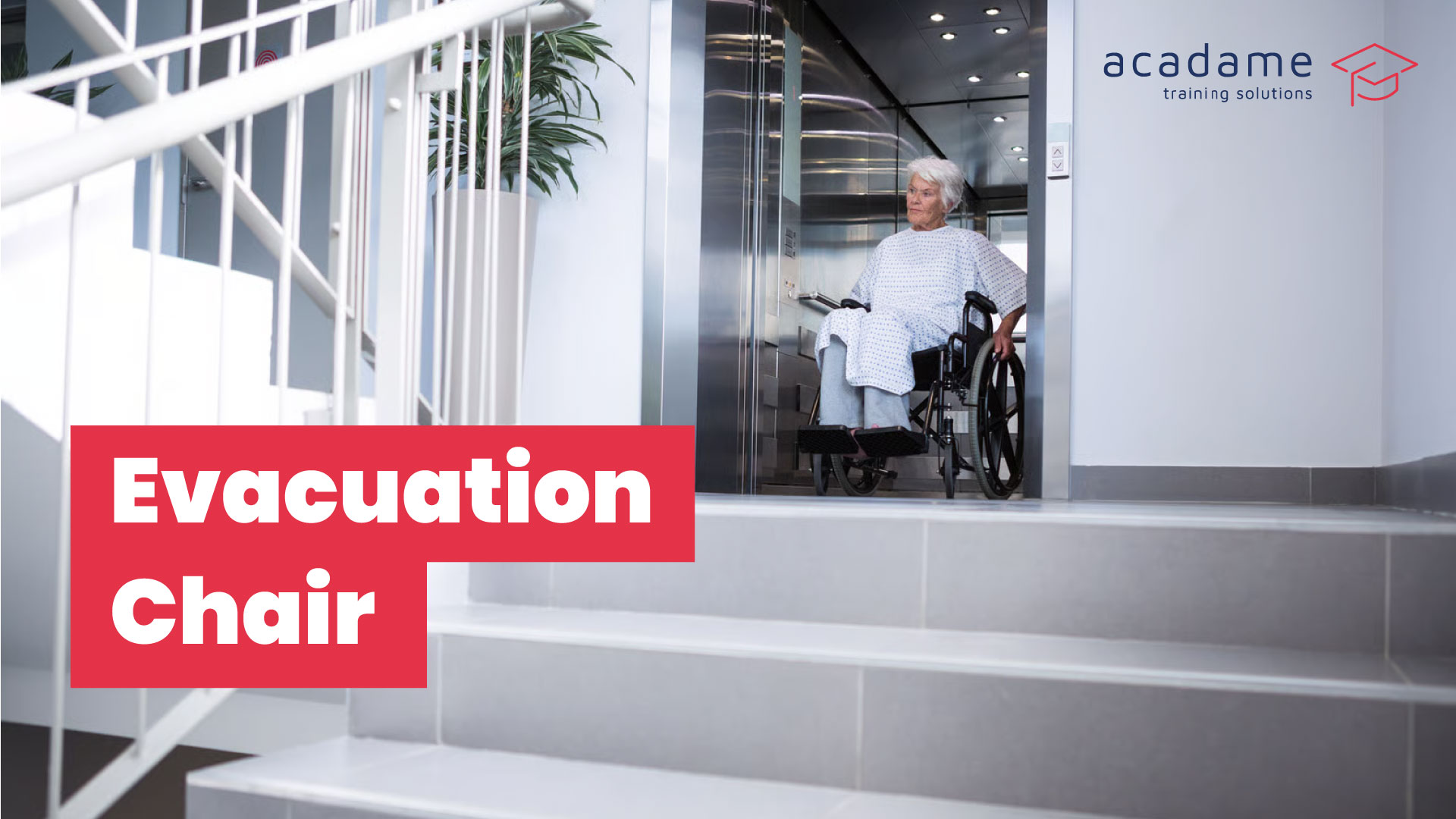
Participants learn about different evac chair types, their features, and their benefits, along with proper setup and usage procedures, including safe transfers for individuals with mobility limitations. Trainees will build confidence in responding to emergencies, ensuring safety for all. They will also acquire effective teamwork skills, including communication and coordination for safely navigating stairs and uneven surfaces.
Want to run this event in-house? Enquire about running this event in-house
Interested in attending? Have a suggestion about running this course near you?
Register your interest now
Description
Participants learn about different evac chair types, their features, and their benefits, along with proper setup and usage procedures, including safe transfers for individuals with mobility limitations.
Trainees will build confidence in responding to emergencies, ensuring safety for all. They will also acquire effective teamwork skills, including communication and coordination for safely navigating stairs and uneven surfaces.
Learning outcomes
- Chair familiarization: Understanding the various components and features of the evacuation chair, including setup and deployment.
- User transfer techniques: Learning safe and effective methods for transferring individuals from wheelchairs or other mobility aids to the chair.
- Stairwell navigation: Training on navigating stairwells while using the chairs, including proper techniques for descending stairs safely.
- Emergency preparedness: Preparing personnel to respond effectively to various emergency scenarios, such as fires, earthquakes, or building escapes.
- Clear communication: Emphasizing the importance of clear and reassuring communication with chair users during the escape process.
- Regular practice: Encouraging regular drills and practice sessions to maintain proficiency and build confidence among personnel.
- Challenges awareness: Understanding of the challenges encountered by individuals with mobility impairments.
- Legislation awareness: Learn about the latest UK laws concerning the requirements to provide the chance of a safe escape for all; and the importance of inclusivity.